Introducing The All-New Porsche 992.2 911 Cup
08/11/2025
Race Cars For You
The All-New 992.2 Generation 911 Cup Car is Here.
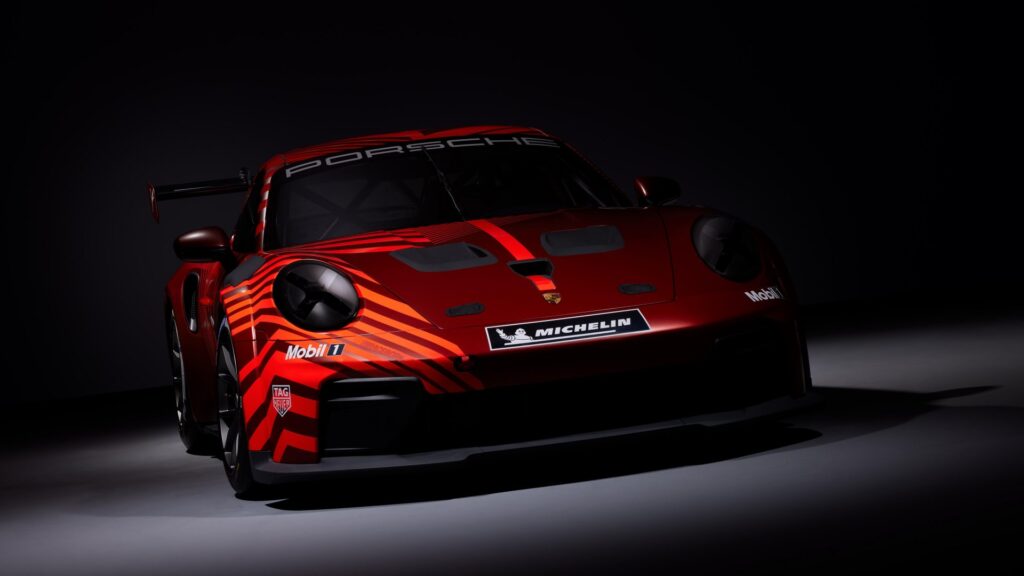
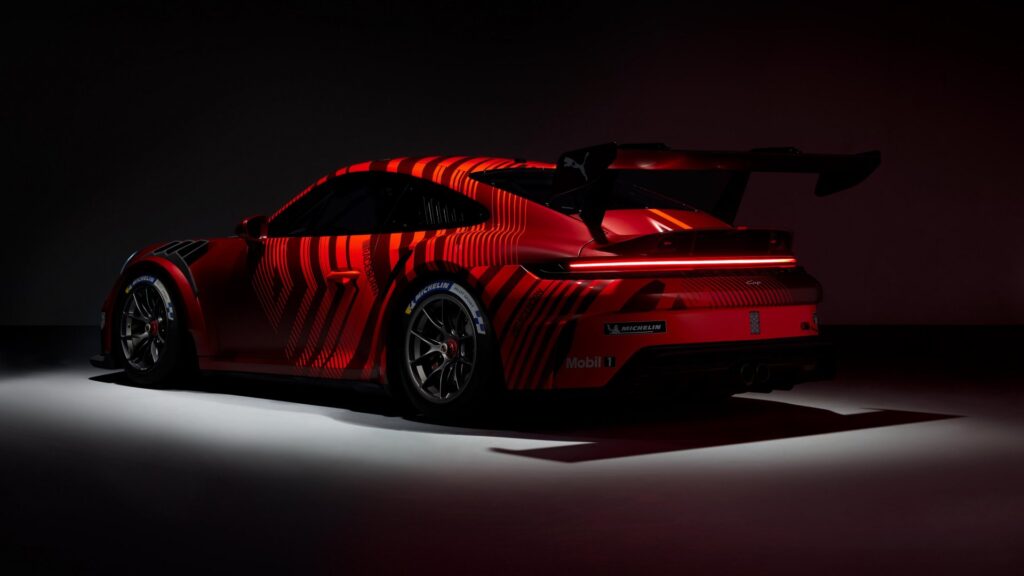
Porsche has officially unveiled the latest version of its one-make racing car, the 911 GT3 Cup, set to hit the grid at the start of the 2026 season. Based on the updated 992.2-generation 911, the new model features a host of refinements aimed at improving on-track performance, running costs, and making the car easier to operate for both drivers and teams. As part of a broader shift in naming conventions, the car is now officially referred to simply as the 911 Cup, dropping previous suffixes to align with Porsche’s evolving motorsport branding. Under the new structure, the “GT” designation will be reserved for models designed for multi-brand series or specific motorsport categories, such as the newly launched 911 GT3 R, also debuting this week.
The 911 Cup will compete in the Porsche Mobil 1 Supercup, various Carrera Cup championships, and other Porsche-backed one-make racing series around the globe. While it retains the naturally aspirated 4.0-liter flat-six engine, output has been boosted to 382 kW (520 PS) – a modest but meaningful increase of 10 PS over the previous model.
The Porsche 911 Cup retains its naturally aspirated, high-revving 4.0-litre six-cylinder boxer engine, based on the unit found in the 911 GT3, now producing 382 kW (520 PS) thanks to enhancements like flow-optimized individual throttle valves and extended-duration camshafts. These updates eliminate the need for a central throttle valve and allow for air restrictor compatibility in broader racing applications, all while maintaining the same 100-hour service interval despite the power bump. A new four-disc sintered metal racing clutch enables higher launch RPMs for a more dramatic race start, while an automatic engine restart function and upgraded brake light stroboscope enhance both reliability and safety. Additionally, three different exhaust systems are available to meet varying global noise regulations.
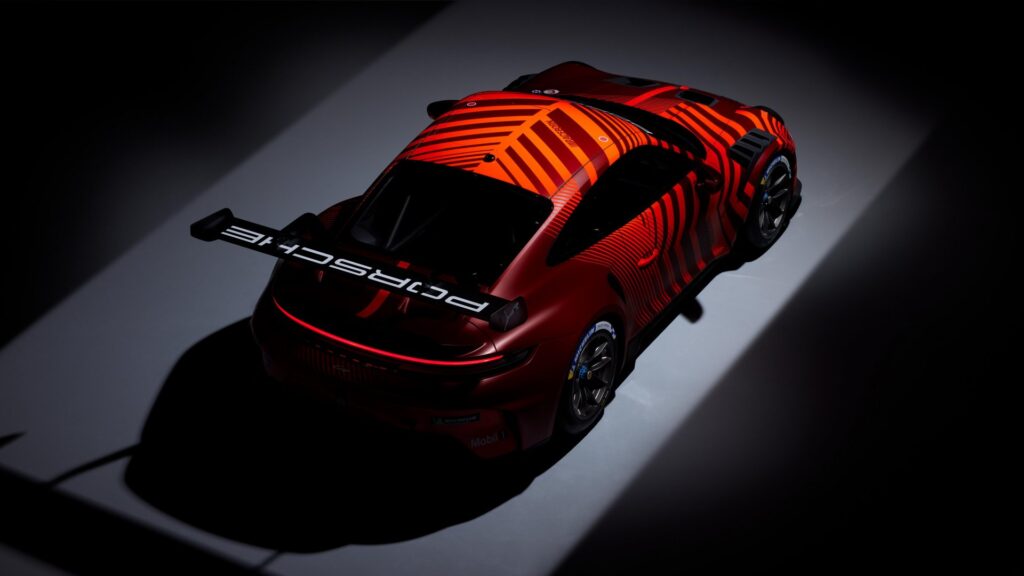
The new Porsche 911 Cup distinguishes itself visually from its predecessor with a redesigned front end inspired by the 992.2-generation 911 GT3, featuring a three-piece front spoiler lip that simplifies repairs and reduces spare part shipping costs. The removal of daytime running lights helps protect radiators in collisions and eliminates the need for their replacement. Integrated louvre vents in the fenders, along with an optimized underbody and new turning vanes behind the front wheel arches, enhance airflow and front-axle downforce, resulting in improved high-speed responsiveness and cornering precision. At the rear, the race car sports a more aggressive design with a revised swan-neck wing and a reengineered engine cover, both of which improve adjustability and serviceability. Most body components, including the doors and rear panels, are now made from recycled carbon fiber fleece and bio-based epoxy resin… A sustainability-focused approach that also helps stabilize spare parts pricing.
In the cockpit, these new Racecars feature a redesigned, higher-quality multifunction steering wheel that not only enhances aesthetics but also offers improved functionality, including rotary controls for ABS and traction control, and backlit buttons for better visibility. The central control panel next to the driver has been simplified from ten to eight switches, with a new button that opens an additional display menu for adjusting settings like pit lane speed, exhaust mapping, and steering angle reset… Eliminating the need for external tools like laptops. Inside the cockpit, added foam padding on the door crossbar provides increased driver protection, while overall ergonomics and usability have been refined for race conditions. According to Matthias Scholz, Director of GT Racing Cars, the 911 Cup delivers more power, improved practicality, and longer-lasting components, with many parts now made from recycled materials.
The new 911 Cup represents the latest step in Porsche’s commitment to supporting customer racing with competitive, reliable, and accessible race cars. With increased power and refined dynamics, it is poised to continue its legacy as one of the most widely used platforms in professional one-make racing.